Prepaid eSIM Plans That Let You Travel Without Overspending
Did you know you can get a prepaid eSIM up and running without ever removing your current physical SIM card? A prepaid eSIM is simply a digital SIM profile you buy and install directly onto your phone, giving you instant cellular data without any long-term contracts. This means you can jump online for maps though an unfamiliar city or stay connected abroad without the stress of roaming fees, all while keeping your main number intact. The setup takes only a few minutes through a simple QR code scan or app download, so you can focus on what matters instead of wrestling with tiny plastic cards.
Understanding the Basics of Digital Embedded SIMs

Understanding the basics of a digital embedded SIM (eSIM) means recognizing it as a permanent chip inside your device that you activate digitally, eliminating the need for a physical plastic card. For prepaid eSIM users, this concept allows you to buy a data plan online, scan a QR code, and instantly connect to a local network. Unlike a traditional SIM, you can store multiple profiles, meaning you can quickly switch between a prepaid eSIM for travel and your home carrier without swapping cards. A critical detail to grasp is that the eSIM is not removable, so if you change phones, you must download the prepaid plan onto the new device again. This digital nature also enables immediate activation upon purchase, making it ideal for hassle-free, temporary connectivity.
What Makes Network-Ready Plans Different From Physical Cards
Network-ready plans embed connectivity directly into the phone’s software, unlike physical cards that require a fragile, removable chip. This allows you to activate a prepaid data package instantly by scanning a QR code or tapping a digital key, eliminating the wait for a plastic card to arrive. You can also switch providers or purchase a new plan remotely without needing to track a tiny piece of hardware, offering absolute freedom from physical logistics. No more fumbling with card trays or risk of losing your SIM during travel.
A network-ready plan bypasses the physical SIM card entirely, letting you activate, switch, and manage prepaid service purely through software with no hardware swap required.
Key Advantages Over Traditional Plastic SIMs
A digital embedded SIM (eSIM) eliminates the physical plastic card, offering instant remote activation for prepaid plans without waiting for mail delivery. You can switch between carriers by scanning a QR code or downloading a profile, bypassing the need to handle tiny, fragile chips. Multiple profiles can be stored simultaneously, enabling quick local network access when traveling. eSIMs also save phone space, allowing for slimmer designs or larger batteries, and reduce e-waste from discarded plastic SIMs.
| Aspect | Traditional Plastic SIM | Digital eSIM Advantage |
|---|---|---|
| Activation speed | Requires physical delivery or store visit | Instant remote download |
| Switching providers | Must swap or replace the card | Change profile digitally |
| Storage of plans | One physical card at a time | Multiple profiles on one device |
| Physical waste | Generates plastic and packaging waste | No disposable hardware needed |
Top Travel Scenarios for Getting a Pay-As-You-Go Virtual Profile
The ferry horn blares, and you’re already scanning a QR code—your American SIM is useless in Greece. For a three-week island hop, a pay-as-you-go virtual profile on a prepaid eSIM is the lifeline. You buy 5GB before landing, avoid roaming fees, and instantly hotspot maps to your partner’s phone. A sudden work email from Athens? You top up another 2GB from the sun-baked deck without hunting for a kiosk. This is the sweet spot, where digital spontaneity meets absolute cost control. Whether you’re a weekend nomad in Tokyo or driving the Amalfi Coast, the core scenarios all pivot on temporary connectivity—no contracts, no store visits. For a two-week backpacker sprint through Morocco and Spain, buying a single continent-wide prepaid eSIM beats juggling multiple local SIMs. It’s not for permanent expats; it’s for the traveler who values flexibility over commitment, wanting data only when and where the trip dictates.
Short-Term International Trips and Roaming Alternatives
For a short international trip, a prepaid eSIM kills the hassle of hunting for local SIMs or paying exorbitant daily roaming fees. You can buy a data-only virtual profile before you fly, activate it on arrival, and instantly connect to local networks—no contracts or commitments. Roaming alternatives through eSIMs let you pick a regional or country-specific plan that matches your exact stay, from a weekend in Tokyo to a work sprint in Berlin. This means you avoid the shock of a post-trip bill while keeping your primary number active for two-factor authentication. Your phone becomes a global hotspot without the carrier markups.
- Choose a 7-day or 30-day prepaid eSIM plan tailored to your destination’s network.
- Top up data mid-trip from the eSIM app if you extend your visit unexpectedly.
- Use a dual-SIM setup to route calls through your home line and data through the eSIM profile.
Multi-Country Adventures Without Switching Stickers
Multi-country adventures used to mean juggling a pocketful of plastic SIMs and prying open your phone case at every border. With a pay-as-you-go virtual profile, you cross frontiers without switching stickers. Land in Spain, use data. Train to France, it works. Ferry to Italy? Your connection follows, not a physical card. Prepaid eSIMs with multi-country plans handle this seamlessly, letting you activate a regional bundle before takeoff. No queuing, no fumbling with tiny trays, just instant, local-rate data as your coordinates change.
Q: Can I rely on one prepaid eSIM for a road trip through three Schengen countries without swapping anything? A: Absolutely, yes—most regional Europe eSIMs cover 30+ countries with a single profile; you stay connected from Amsterdam to Munich to Rome without touching your settings.
Comparing Major Providers of No-Contract Digital SIMs
When comparing major providers of no-contract digital SIMs for prepaid eSIM, Airalo and Holafly are dominant, each offering distinct advantages. Airalo typically provides the cheapest data-only plans by region, making it ideal for budget-conscious travelers who can bypass voice calls. In contrast, Holafly bundles unlimited data with a local phone number in many countries, a critical feature for those needing incoming call access. However, neither provider consistently beats a regional carrier like Ubigi in latency performance for specific destinations. For global coverage, Nomad stands out with flexible multi-country packages that require no top-ups. A key differentiator is activation flexibility: Airalo allows top-ups on their local plans after expiration, while Holafly’s plans are strictly single-use, requiring a new eSIM purchase for additional data.
Global Coverage vs. Regional Specialists
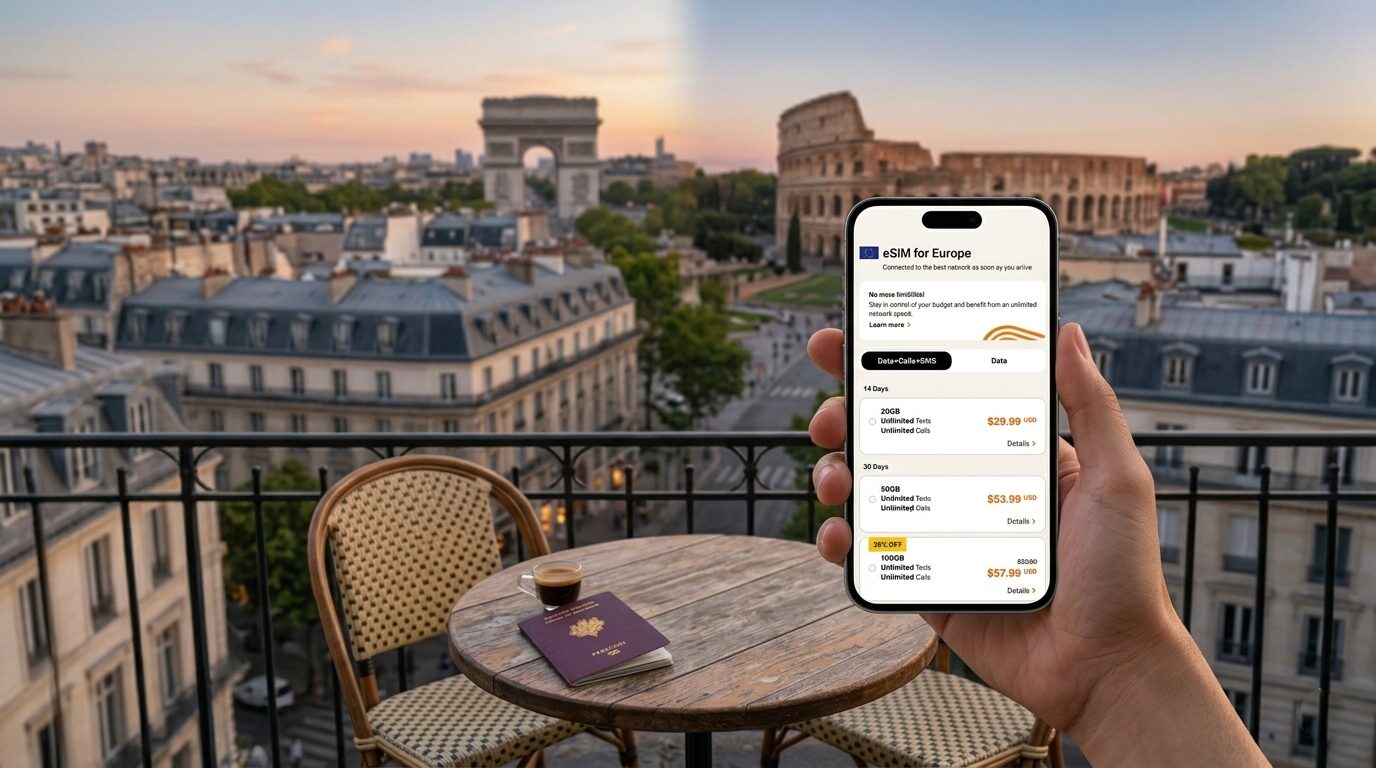
When choosing a prepaid eSIM, the primary decision is between global coverage providers and regional specialists. Global providers aggregate multiple network partners into a single eSIM, ideal for multi-country trips without re-provisioning, but often at a higher per-MB cost and slower data in less-covered regions. Regional specialists focus on a specific continent or country, leveraging deep partnerships to offer lower rates, faster speeds, and local network prioritization. The practical sequence for selection is:
- Assess your itinerary: if visiting three or more nations, a global eSIM reduces hassle; for a single country or region, a specialist is optimal.
- Compare data speed: check provider coverage maps—specialists often support 5G in their core area, while global plans may throttle to 4G.
- Validate plan flexibility: global plans charge a premium for convenience, whereas regional plans allow top-ups at local rates without losing connectivity.
Price Ranges and Data Allowances
Price ranges for no-contract digital SIMs vary significantly, from under $5 for 1GB short-term packs to over $100 for truly unlimited high-speed data. Data allowances are tiered, with budget options offering 1-5GB for light usage and premium plans exceeding 50GB for heavy streamers. Regional data allowances often dictate value; a global plan may cost $30 for 10GB, while a single-country plan offers 20GB at the same price. Cost per gigabyte generally decreases with larger data packages, but only if you’ll actually use all the allowance.
Q: How do I choose between a low-price, low-data plan and a higher-price, larger data allowance?
A: Match the data allowance to your specific usage—estimate how much you’ll need per trip (e.g., 1GB for navigation and messaging, 5GB for social media, 20GB+ for video streaming). The cheapest plan is only a deal if it avoids mid-trip top-ups, which can cost more per GB than a slightly larger initial allowance.
How to Activate a Preloaded Virtual Number on Your Device
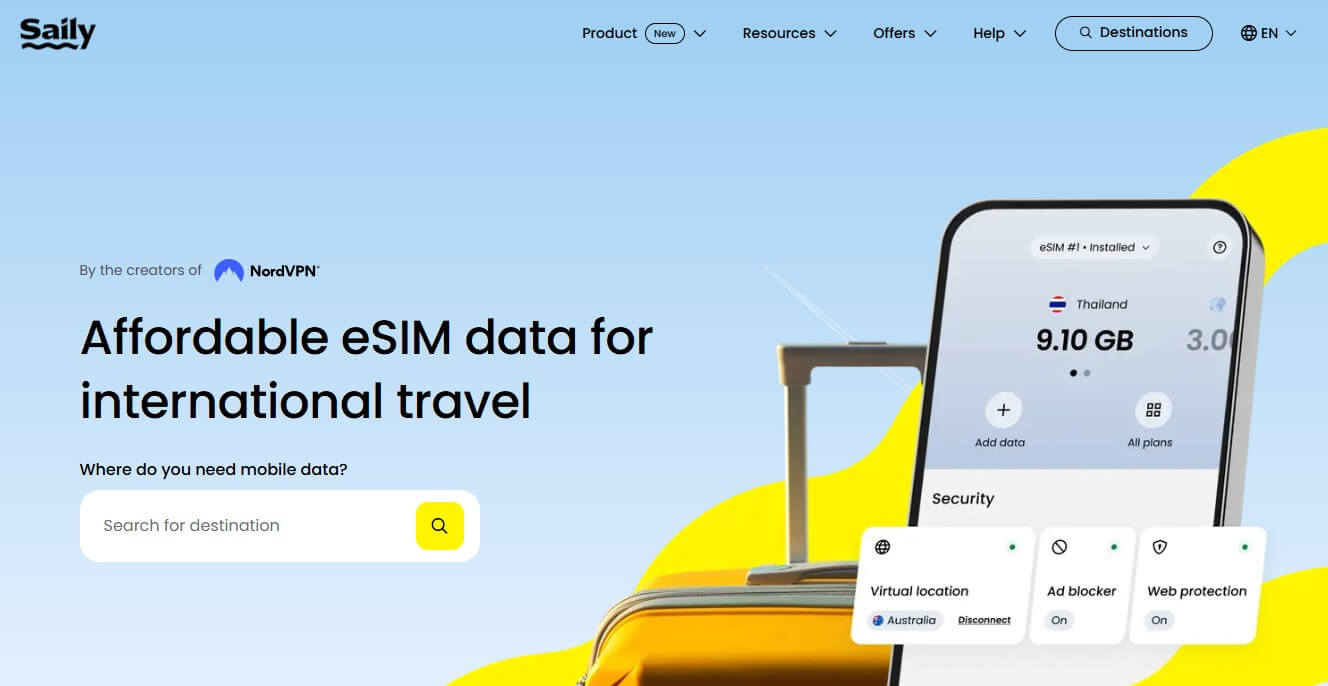
You’ve just landed in Barcelona, your phone showing no signal, but your prepaid eSIM is already preloaded with a local virtual number. To activate it, open your device’s settings and tap “Cellular” or “Mobile Data.” Select “Add Cellular Plan”—the eSIM profile should appear automatically if pre-installed. Confirm the plan and ensure “Turn On This Line” is toggled. Then set this line as your default for data and calls. Within seconds, the virtual number goes live, linking you to the local network without fumbling for a physical SIM. You’re now dialing your friend’s Spanish number from your eSIM’s preloaded virtual line, data flowing seamlessly.
Scanning a QR Code for Instant Connectivity

To activate your prepaid eSIM, locate the QR code provided in your purchase confirmation email or on the eSIM provider’s app. Open your device’s mobile network settings and select the option to add a new eSIM. Point your camera at the QR code until it is scanned, and the eSIM profile will begin downloading automatically. Ensure a stable internet connection during this process to avoid an incomplete activation. Once the download finishes, the profile installs and your number becomes active for connectivity. This method eliminates manual entry of lengthy codes, offering instant QR eSIM activation for your virtual number.
Scanning the QR code directly installs the prepaid eSIM profile, immediately providing your device with a new virtual number and data connectivity.
Manual Profile Installation via App
For manual profile installation via app, you first open the carrier’s designated app and select the option to install a new eSIM profile. The app will prompt you to scan a QR code or enter a manual activation code—both provided in your prepaid eSIM purchase confirmation. After entering the code, the app automatically downloads and installs the prepaid eSIM profile to your device’s eSIM slot. You may need to confirm the installation by tapping “Add Cellular Plan” in your device settings. Once installed, the app typically prompts you to set the line as your primary data plan.
Q: Do I need an internet connection for manual profile installation via app?
A: Yes, a stable Wi-Fi or mobile data connection is required during the manual profile installation via app, as the profile is downloaded directly over the internet.
Device Compatibility and Technical Setup
For a prepaid eSIM to function, your device must be carrier-unlocked and support eSIM technology, typically found in iPhones from the XR onward, Google Pixel 3a and later, and recent Samsung Galaxy models. The technical setup involves scanning a QR code from your provider or manually entering the activation details in your device’s cellular settings. No physical SIM removal is needed; you can often install a prepaid eSIM alongside a physical SIM for dual-line use. Ensure your device’s operating system is updated to the latest version, as older OS builds may not support prepaid eSIM profiles. A stable internet connection during activation is critical—use Wi-Fi or another active cellular network to download and install the profile instantly.
Checking Your Smartphone for eSIM Support
Before purchasing a prepaid eSIM, verify your smartphone’s hardware compatibility. Access your device settings, navigate to “Cellular” or “Mobile Data,” and check for an “Add Cellular Plan” option. Alternatively, dial *#06#; if an EID number appears, your phone supports eSIM. This step is critical, as eSIM support varies by model and region. Confirm your device’s model on the manufacturer’s official specifications page, ensuring it is unlocked from any carrier, to avoid connectivity issues after activation.
Managing Dual SIMs: Physical and Virtual Together
Managing Dual SIMs: Physical and Virtual Together in a prepaid eSIM setup involves configuring one physical card alongside a digital eSIM profile. Users must assign each line for specific tasks, such as data or calls, within the device’s settings. Seamless local data switching between the two is critical, ensuring the prepaid eSIM handles internet without interrupting the physical SIM’s primary voice service. The dual standby mode allows both profiles to remain active, though only one transfers data at a time. Properly labeling each line prevents confusion when sending texts or making calls.
Managing Dual SIMs: Physical and Virtual Together requires labeling each line and assigning dedicated roles to maintain simultaneous, non-conflicting connectivity.
Key Features to Look For in a Preloaded Data Plan
When selecting a preloaded eSIM plan, prioritize data validity duration—a 30-day plan offers more flexibility than a rigid 7-day one. Also scrutinize the speed throttling policy after the high-speed cap is reached; a plan that drops to 3G or higher is far more usable than a 128kbps crawl. A local data pool that rolls over unused megabytes is a rare but game-changing feature for extending your trip’s value. Finally, verify if the plan allows mobile hotspot tethering—many “unlimited” prepaid eSIMs lock this out entirely, which can derail laptop usage.
High-Speed Caps and Throttling Policies
When evaluating a prepaid eSIM, scrutinize the speed throttling threshold as it defines the usable data window. Plans advertise a total data cap, but after crossing the high-speed quota, speeds collapse to a severely restricted rate, often 128 Kbps to 1 Mbps, rendering video streaming or heavy browsing impractical. Analyze the throttle policy’s specifics: some providers impose a hard cap halting data entirely, while others permit unlimited but severely reduced speeds. This distinction dictates whether your eSIM remains usable for navigation or messaging post-cap. Compare the ratio of high-speed allowance to the subsequent throttle speed; a generous cap with a harsh throttle is less valuable than a moderate cap with a functional reduced speed.
| Plan Aspect | High-Speed Cap | Throttled Speed |
|---|---|---|
| Utility Post-Cap | Determines peak performance period | Defines baseline functionality |
| Policy Outcome | Data volume before slowdown | Fixed maximum after cap is hit |
Bonus Services Like Local Voice Minutes or SMS
When evaluating prepaid eSIM plans, bonus local voice minutes or SMS can provide unexpected utility. These Singapore eSIM extras often accompany data packages for short-term travel, letting you call a hotel or restaurant without relying on VoIP apps. Some plans bundle them as a fixed allocation—e.g., 10 minutes and 5 SMS—activated upon first use. To maximize value, prioritize plans that explicitly list these bonuses before purchase. Use them in a clear sequence: first, verify availability via the provider’s app; next, dial a local number directly; finally, check your remaining balance. Avoid plans where bonus minutes expire within 24 hours, as they limit practical use for multiple calls.
- Activate the eSIM and confirm bonus balance in account settings.
- Make brief calls or send SMS within the coverage zone before using data-heavy apps.
- Monitor usage to avoid exceeding the bonus cap and incurring per-unit charges.
Cost-Saving Strategies Using Temporary Profiles
Leveraging temporary eSIM profiles is a precise cost-saving strategy for international travel. Instead of paying your primary carrier’s daily roaming fees, you purchase a prepaid eSIM for only the days you need connectivity, then delete the profile immediately after use. This eliminates any risk of unwanted auto-renewal charges or accidental data overage fees. For multi-destination trips, you can stack several short-term temporary profiles on one device, activating and deactivating each as you cross borders. This allows you to buy data at localized rates per country, avoiding expensive global plans. The key is to install the profile just before departure and remove it as soon as your trip ends, ensuring you never pay for service during idle periods at home.
Avoiding Overpriced Airport Kiosks
Airport kiosks often charge two to three times the local rate for a prepaid eSIM, capitalizing on traveler desperation. Instead, activate a temporary travel eSIM profile before landing, bypassing these inflated prices entirely. You can install a data-only plan from a regional provider at a fraction of the cost, often under $5 per gigabyte versus the kiosk’s $15. Q: Why are airport kiosk eSIMs so expensive? A: They rely on captive demand and high overhead, while a pre-loaded temporary profile from an online vendor eliminates the intermediary markup completely. This single step saves immediate money without sacrificing connectivity.
Bundling with Hotel or Tour Packages
When you book a hotel or tour package, check if they offer a prepaid eSIM as a bundle. This is often cheaper than buying data separately. The setup is usually handled for you. To get started, first, confirm the eSIM is included in your lodging or excursion deal. Second, activate it using the QR code or app provided at check-in. This saves you from hunting for local SIMs. This budget-friendly travel combo keeps you connected without draining your wallet.
Common Pitfalls When Buying a Refillable Virtual Link
You spot a deal on a refillable virtual link for a prepaid eSIM, thinking it’s a one-time setup. The first pitfall is assuming all top-ups carry over seamlessly—many links expire if not refilled within a rigid window, leaving you stranded mid-trip. Another mistake is ignoring data speed caps after the initial high-speed allowance depletes; that “unlimited” plan can throttle to a crawl, making maps useless. A refillable link tied to a regional network often fails to roam reliably across neighboring countries, even if the eSIM claims global coverage. You end up juggling multiple links, defeating the convenience you paid for.
Hidden Expiry Dates on Unused Credit
Many prepaid eSIMs appear to offer credit that never expires, but a hidden trap lurks: the refillable virtual link itself may have a shelf-life. Even if you never touch your unused balance, providers can deactivate the entire link after a set period—often six months to a year—wiping out all leftover credit with zero warning. This expiry applies to the account or top-up mechanism, not just data validity, so you lose money you thought was permanently available.
- Check the link’s activation window, not just credit expiry.
- Avoid buying a large balance until you plan to use it.
- Set a calendar reminder to recharge or use credit before the link’s hidden deadline.
Coverage Gaps in Remote Areas
Don’t assume your refillable virtual link will work everywhere. Many plans rely on specific partner networks, so you’ll hit dead zones for prepaid eSIM coverage in remote areas like national parks or mountain passes. Before heading off-grid, check a detailed coverage map that shows actual partner towers, not just vague regions. A cheap plan might skip rural extensions entirely, leaving you stranded with no signal. Consider a backup eSIM from a provider known for rural reach, or download offline maps just in case.
Future Trends in On-Demand Mobile Connectivity
Future trends in on-demand mobile connectivity will make prepaid eSIMs feel like a utility you toggle, not a product you buy. You’ll likely see instantaneous plan switching between providers mid-trip without ever leaving your phone’s settings, adapting to local signal strength or pricing. Another shift is AI-driven data allocation that predicts your usage patterns and tops up a prepaid eSIM automatically during a video call, then pauses idle data to save balance. You’ll also get “just-in-time” eSIMs activated by scanning a QR code at your destination’s airport gate, then vanish from your phone once you fly home. This removes any “forgot-to-deactivate” fee anxiety, making global roaming feel as flexible as a pocket torch.
Integration with IoT Devices and Wearables
Prepaid eSIMs enable direct, carrier-independent provisioning for IoT devices and wearables, eliminating physical SIM swaps. A smartwatch can download a prepaid eSIM profile to maintain cellular connectivity for calls, texts, and data streaming without tethering to a phone. For wearables like fitness trackers, an eSIM allows standalone GPS navigation and emergency SOS via a separate prepaid plan. Smart sensors and trackers leverage this integration for real-time data transmission, with user-controlled automated data top-ups ensuring uninterrupted service. On-demand switching between device-specific plans is managed directly from a unified app.
- Direct eSIM profile download to wearables for autonomous LTE connectivity.
- Separate prepaid plans for each device, with centralized billing.
- Remote profile management for enabling or disabling IoT connectivity.
- Cross-device data pooling between phone, watch, and tracker.
Evolving Regulations for Digital Subscriber Modules
As prepaid eSIM adoption grows, digital subscriber module compliance is shifting toward real-time KYC verification. You now see regulations mandating that your eSIM profile cannot activate until your device passes location-based identity checks. This forces carriers to embed geofencing directly into the profile’s authentication logic. The sequence typically runs:
- Network operator receives your purchase.
- Your device transmits its GPS-tagged IMSI.
- Regulatory database cross-references your coordinates before issuing the private key.
These rules also enforce automatic profile deactivation if the module moves outside approved jurisdictions without re-verification.
What Exactly Is a Pre-Paid eSIM and How Does It Function?
The Core Difference Between a Physical SIM and an Embedded Profile
How Activation Happens Without a Plastic Card
Storing Multiple Profiles While Keeping One Active
Key Perks You Get When Using a Pre-Funded Digital SIM
Instant Connectivity Without Searching for a Local Store